
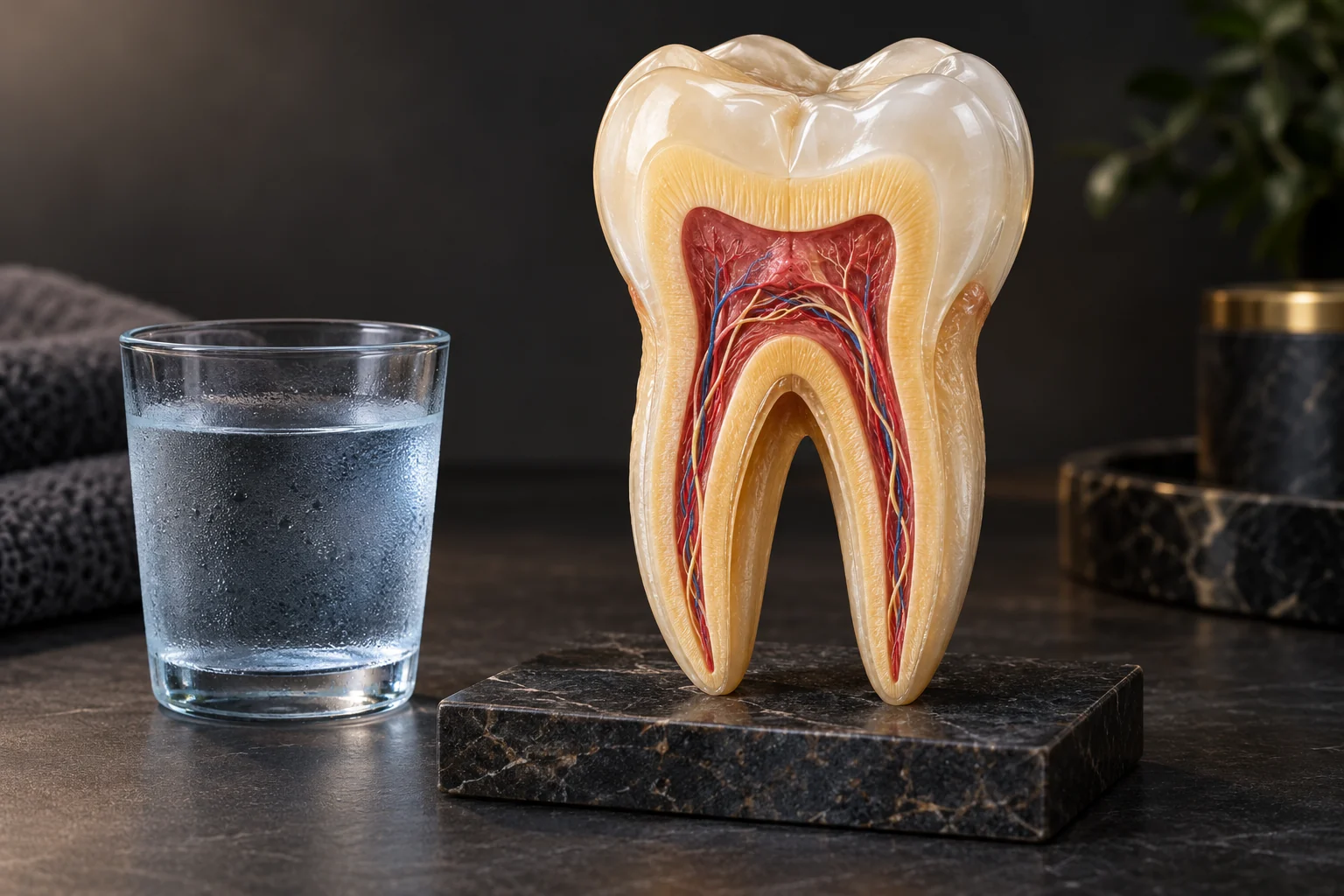
Sensitive teeth can turn a cold drink or brushing into an uncomfortable experience. The useful first step is to describe the pattern, rather than assume that every sharp sensation has the same cause. A focused dental assessment can then connect your symptoms with an appropriate plan and help you avoid repeatedly trying products without understanding the problem.
What to record about sensitive teeth
First, note which tooth or area reacts, what triggers the feeling and how long it lasts. Also, describe whether it happens only during eating or also without a trigger. In addition, mention recent treatment, whitening products or a change in your brushing routine. A short written record is easier to discuss than trying to remember every episode at the appointment.
However, you do not need to test the area repeatedly with ice or hot drinks. Instead, observe everyday situations and write down changes. Also, tell the dentist whether the discomfort affects sleep, chewing or the way you clean your teeth. As a result, these practical details help the conversation stay specific.
Sensitive teeth need a cause-based assessment
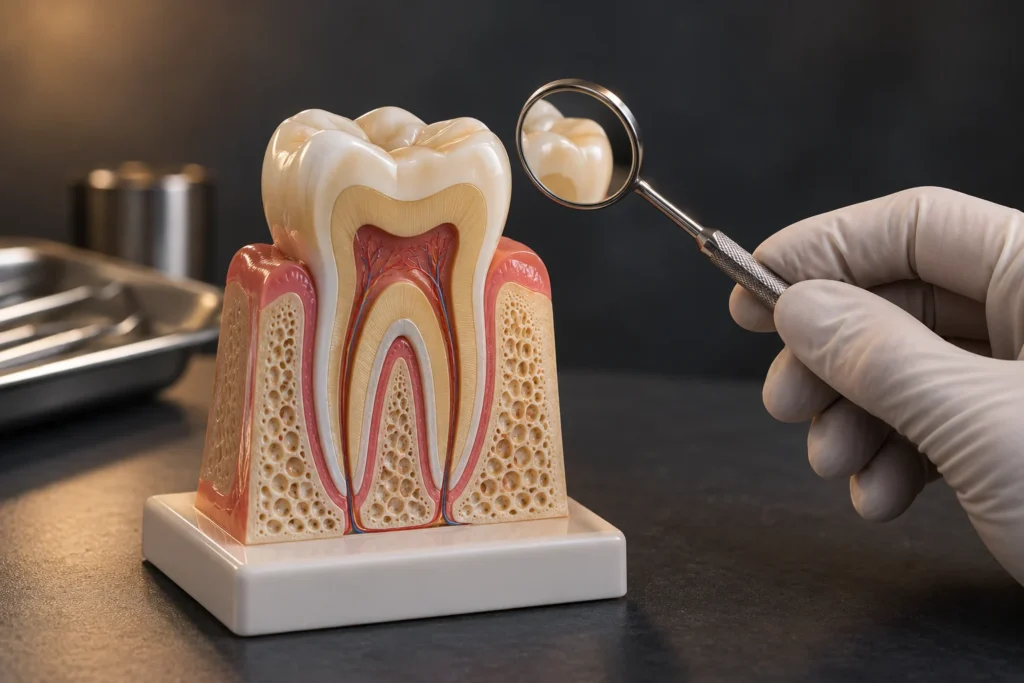
Decay, a damaged tooth or filling, exposed roots and worn enamel are among the possible explanations. Sensitivity alone does not identify which one applies. Ask the dentist to show you the area being discussed and explain what the examination has established. Your dentist may suggest imaging or other tests when needed.
| Observation | Useful detail to report |
|---|---|
| Location | One tooth, several teeth or an uncertain area |
| Trigger | Cold, warmth, brushing or biting |
| Timing | Brief, lingering or spontaneous |
| Recent change | Dental work, products or a new routine |
Daily care for sensitive teeth
Next, show your dentist the toothbrush and toothpaste you use, or bring photographs of their packaging. Ask for a demonstration of comfortable pressure and access around the affected area. Avoid vigorous scrubbing or abrasive home remedies. If a desensitizing product is recommended, clarify how to use it and when its effect will be reviewed.
Make the routine manageable. Choose a consistent time and a simple way to record progress. However, changing several products at once makes it difficult to describe what helped or irritated the area. Finally, your review should consider comfort as well as whether you can clean all the required surfaces properly.
Agree the next step and review date
Therefore, ask what the proposed treatment is intended to address, what alternatives exist and what would prompt reassessment. A product that eases symptoms does not replace any necessary treatment of their cause. For this reason, do not book an irreversible cosmetic procedure solely because it is advertised as a solution for sensitivity.
Contact a dentist promptly for persistent or worsening pain, pain on biting, swelling or a broken restoration. Breathing or swallowing difficulty and rapidly increasing facial swelling require urgent medical care. Do not wait for an online reply in an emergency.
Frequently asked questions
Does sensitivity always mean I need root canal treatment?
No. The diagnosis and examination guide the choice; the symptom alone cannot select a procedure.
Should I stop cleaning the area?
Ask for a comfortable method rather than abandoning oral hygiene. Report pain that prevents cleaning.
What should I bring to the consultation?
Your symptom record, product names and a list of recent dental treatment make a useful starting point.
See the ADA explanation of tooth sensitivity. Review our dental services and book an assessment to discuss sensitive teeth and a tailored follow-up plan.
General educational information, not an individual diagnosis. Discuss treatment decisions with your dentist.