
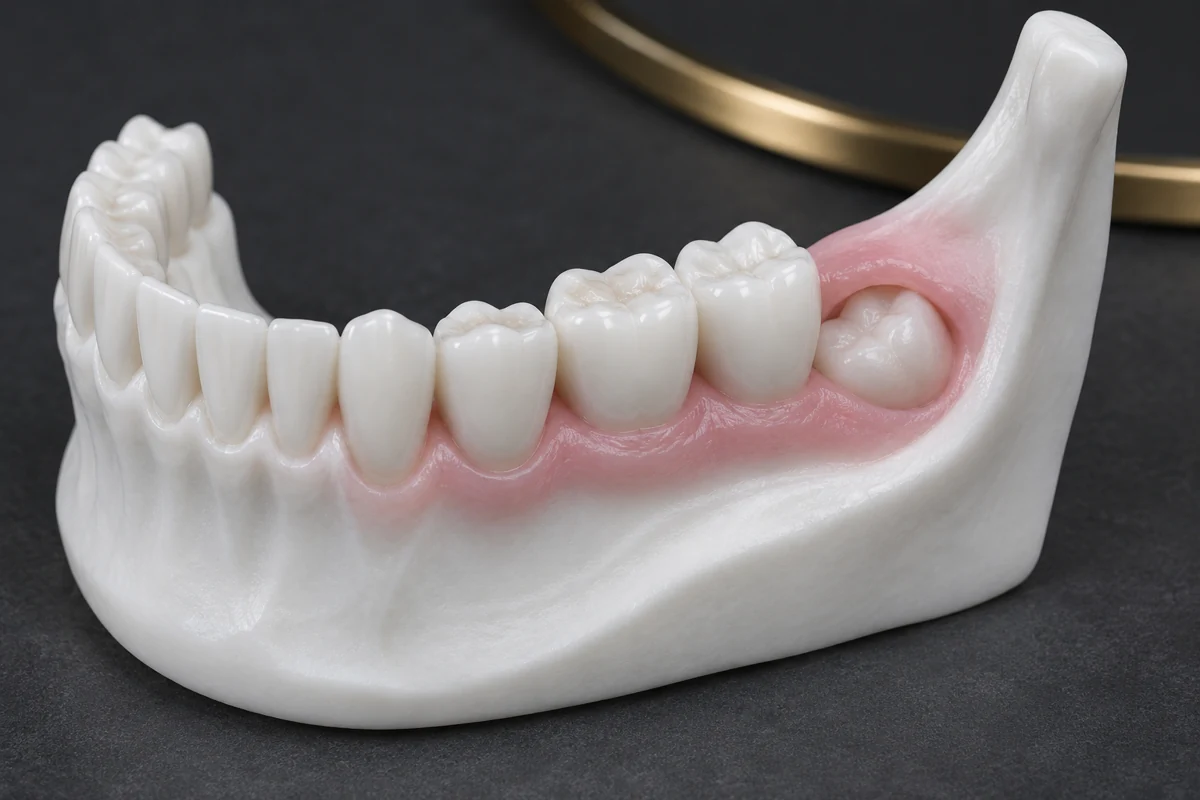
Wisdom tooth removal is considered when a tooth causes problems or there is a clear reason to remove it, not simply because everyone has wisdom teeth. Examination and appropriate imaging help assess its position. Before arranging treatment, understand the recommendation, monitoring options and recovery plan, especially if you are travelling to Istanbul.
Editorial preparation: Crystal Istanbul. Source-supported patient education; individual assessment and diagnosis are required.
When is wisdom tooth removal appropriate?
A partly erupted or impacted tooth may be associated with pain, repeated inflammation, decay or damage nearby. A tooth without problems may instead be monitored, according to assessment. The NHS wisdom tooth removal guide explains common reasons. Ask which finding applies to your tooth rather than assuming one rule fits every case.
Record episodes of pain, swelling, limited opening and previous treatment. Pain settling after medicine is not enough to establish that the underlying issue has gone. Ask what monitoring would involve and which change would lead to a different recommendation. A clear reason matters whether the plan is removal or observation.
What happens at the assessment?
The clinician reviews your health, medicines, examination and relevant imaging. Not everyone needs the same type of scan. Ask what question imaging will answer and whether the position requires specialist referral. Mention pregnancy or possible pregnancy, allergies and previous difficulties with anaesthesia.
Request written instructions about eating, an escort and driving for the planned anaesthetic. Do not apply general-anaesthetic instructions to a local-anaesthetic appointment, or the reverse. Never stop blood-thinning medicine yourself; any medicine decision should be directed by the treating team.
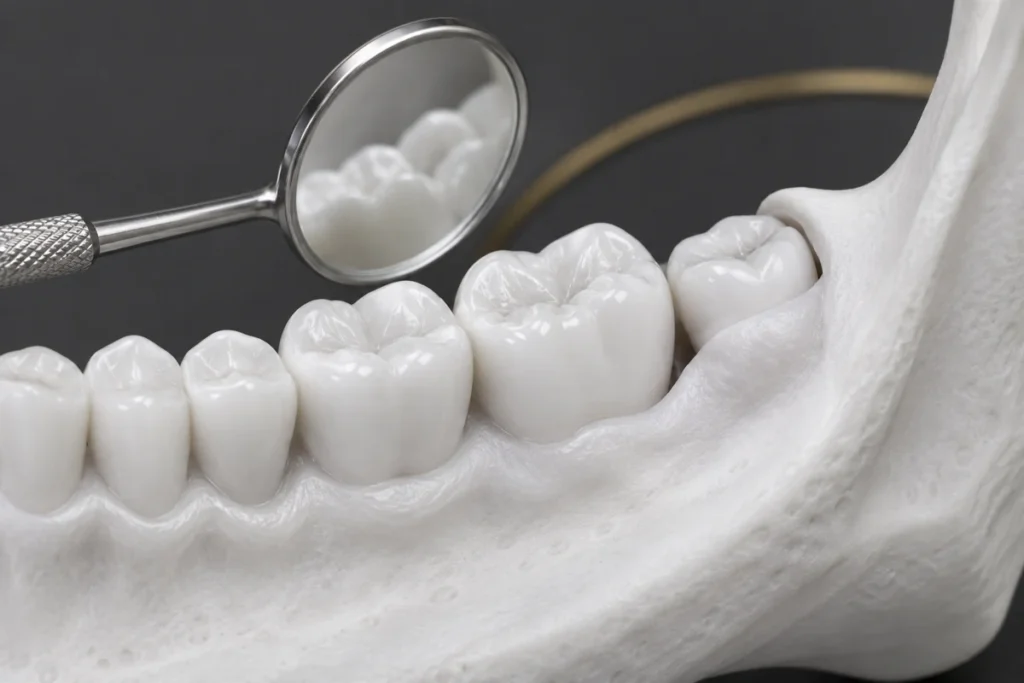
Does wisdom tooth removal hurt, and what are the risks?
Anaesthesia is used to control pain during treatment, although pressure or movement may be felt. Report sharp pain immediately. Discuss swelling, bleeding, infection, dry socket and position-related risks such as nerve injury before treatment. Ask for an explanation of the factors relevant to your own tooth.
The NHS Inform overview helps explain the procedure and recovery. Also ask whether the tooth may need dividing or stitches, and who will provide extra care if required. The length of someone else’s appointment is not a useful prediction of your own experience.
Plan the first days after treatment
Get instructions on protecting the socket, cleaning, food and activity. Arrange soft food at a suitable temperature and ask when to resume work or exercise. Do not disturb the wound or add unadvised rinses or medicines. Set up a contact route and review plan before leaving rather than relying on memory after the appointment.

Common questions before deciding
Should all four wisdom teeth be removed together?
There is no universal rule. Ask for the reason for treating each tooth and the advantages and limitations of combining or separating appointments. Complexity, anaesthesia, health and follow-up may affect the choice. The written plan and consent discussion should clearly identify which teeth are included.
How soon can I travel?
There is no single safe interval for everyone. Agree a review date and what could delay travel. Leave flexibility for assessment and establish who can provide care after you leave. A flight booking does not replace an individual assessment of healing.
When does recovery need another review?
Contact the team for increasing pain, worsening swelling, bleeding that does not settle as instructed, fever or a persistent unpleasant taste. Severe swelling or difficulty breathing or swallowing requires emergency care. Do not wait for an online reply when emergency symptoms develop.
Prepare your wisdom tooth removal consultation
Bring a medicine list, available imaging and your symptom history. Read about clinic services and request a wisdom tooth assessment. Clarify the reason for treatment, anaesthetic options, personal risks, aftercare, follow-up and an itemised estimate before fixing the final dates.